
Early Warning System
We develop visualization tools and GIS-based platforms for decision support.

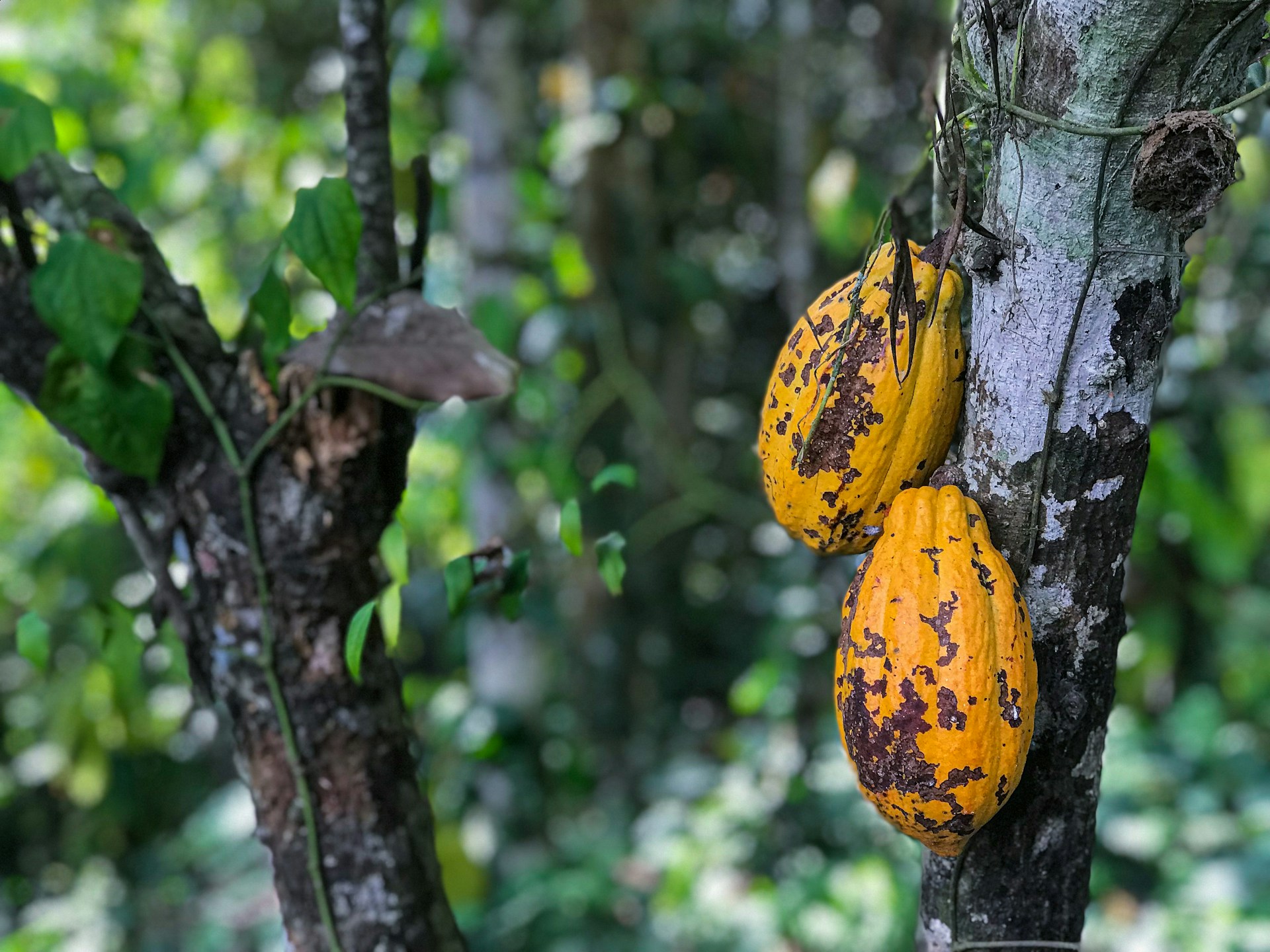
This project developed a meteorological Early Warning System (EWS) for cacao cultivation in the southern Bolívar region of Colombia.
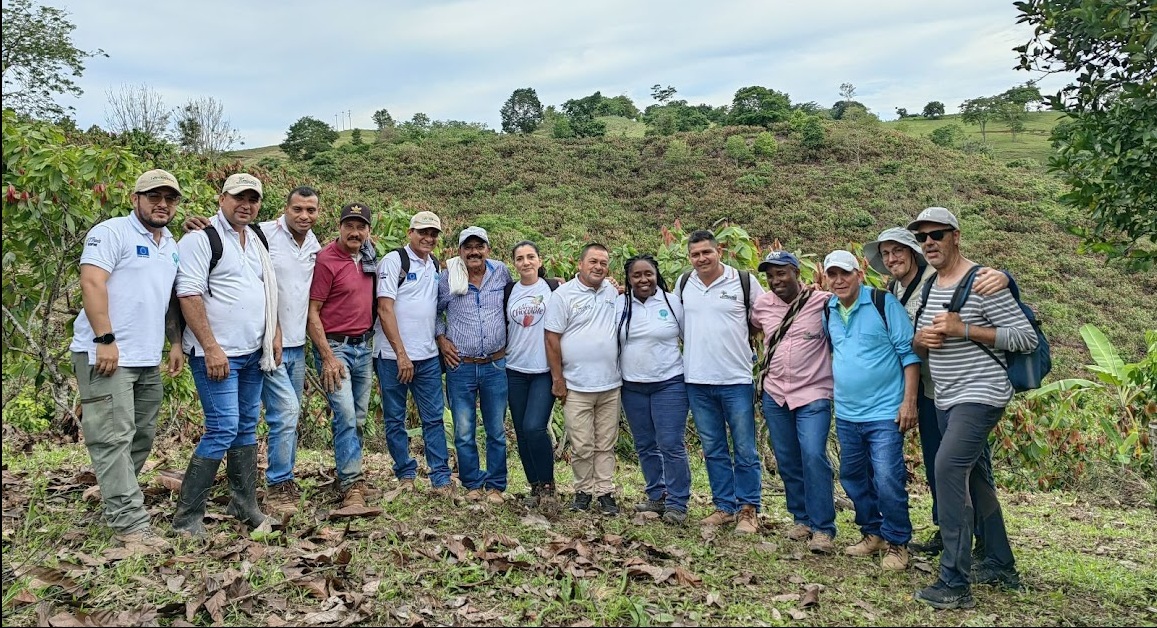
Farmers face serious daily challenges in managing their cacao plantations. Their ancestral crop-management knowledge is no longer enough to address the challenges posed by tropical weather under a changing climate, with rainfall regimes and temperature cycles having shifted substantially. In this context, technology-based Early Warning Systems with a strong co-design component are crucial for unpacking farmers’ real crop-management problems and helping them optimize their daily management of weather-related risks, ultimately improving harvests.
With this approach, SAT Cacao Colombia worked with a local working group made up of 10 farmers and technicians. Together with FHJ technicians, acting as local facilitators, they participated in the co-design process that defined the cacao phenological calendar for the area, including its specific characteristics and its sensitivity to extreme weather events, both for the plant itself and for daily farming operations. The co-design process was supported by an exhaustive literature review, which helped make the working group meetings as concise and productive as possible. However, the process was not considered complete until the first field visit was carried out. This visit was fundamental for several reasons: above all, to understand crop-weather problems on the ground, but also to show results from the tool in other crops and countries as a way to motivate and prepare participants for the next phases of the project.
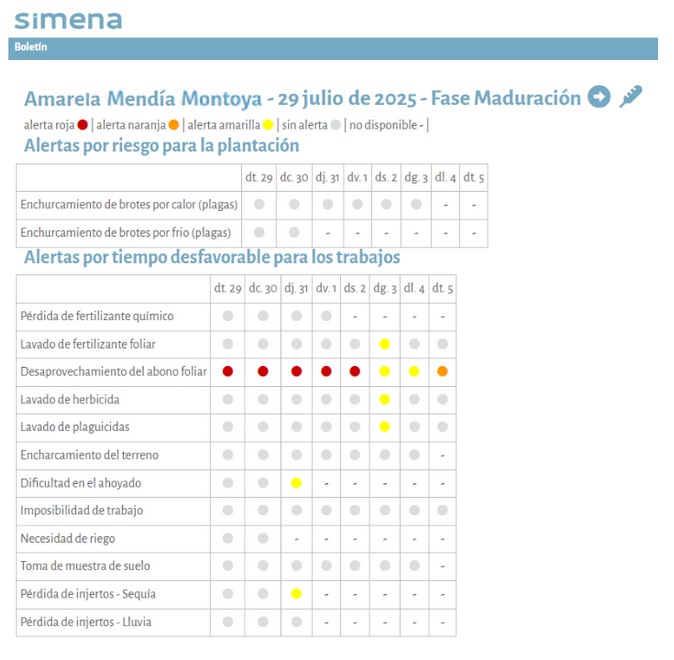
Using all this feedback, a total of 33 agrometeorological indices were defined, combining daily probabilistic weather forecast information with high and moderate agronomic risk thresholds established during the co-design process. The aim was to allow farmers to assess risk through a daily traffic-light bulletin on their own mobile phones. The next steps were variable programming and adaptation of the SIMENA platform and app to the project’s needs.
During a final trip to Santa Rosa del Sur, all variables were reviewed in the final tool, and small adjustments were proposed with the specialized agricultural technicians hired by the cooperative receiving the tool (Aprocasur). These technicians had previously been trained in the tool so that, in an organized way, they could train the 450 cooperative farmers who will ultimately use the tool on a daily basis.
n t
n t
n t
n t
n t
n t
n t
n
n

We develop visualization tools and GIS-based platforms for decision support.


