
Local climate change projections
We design tools to simulate expected changes in future climate and assess how they may affect us through risk and vulnerability analysis.

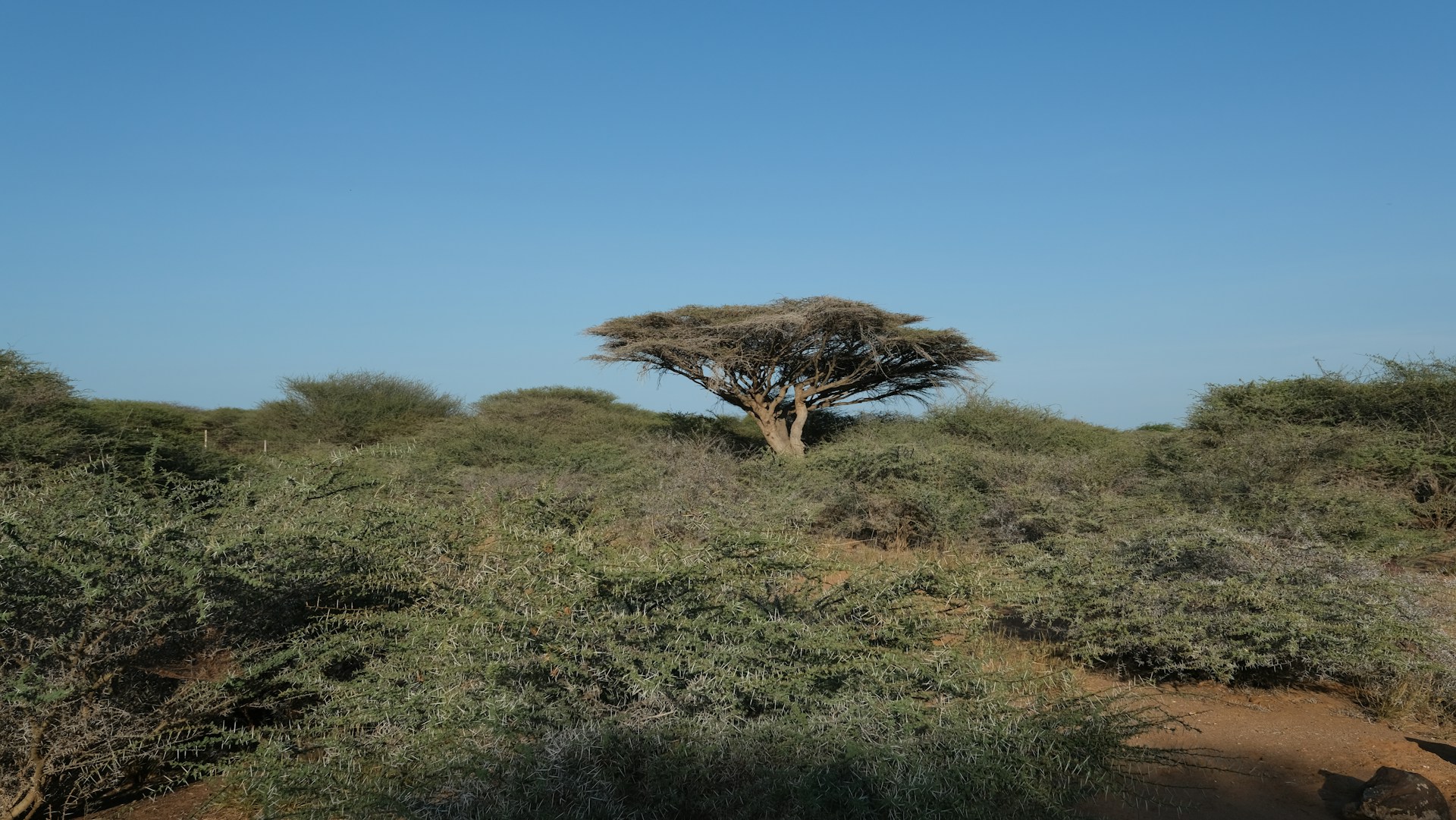
The project seeks to develop a current and future climate diagnosis for Djibouti using observed data, reanalysis and CMIP6 models, focusing on temperature, precipitation, wind and sea level. It aims to identify critical thresholds that may affect electricity infrastructure, including heat waves, extreme rainfall, strong winds and coastal flooding. It will map the spatial exposure of Djibouti’s electricity system and locate the most vulnerable areas and infrastructure, while generating a technical basis for a resilience plan covering investments, organisational improvements, operation, maintenance and institutional strengthening.

n t
n t
n t
n t
n

We design tools to simulate expected changes in future climate and assess how they may affect us through risk and vulnerability analysis.


