
Consulting and adaptation strategies
We offer consulting solutions for the design of adaptation measures, plans and strategies aimed at increasing climate resilience.


ReBioCCan seeks to develop participatory proposals for climate-resilient biodiversity refuges in Biosphere Reserves along the Cantabrian coast, including areas within the maritime-terrestrial public domain.
n t
n t
n t
n t
n t
n t
n
n t
n t
n t
n t
n
nReBioCCan strengthens the ecological resilience of territories with high environmental value and contributes to meeting international biodiversity and climate change commitments, in alignment with the PNACC and national conservation strategies.

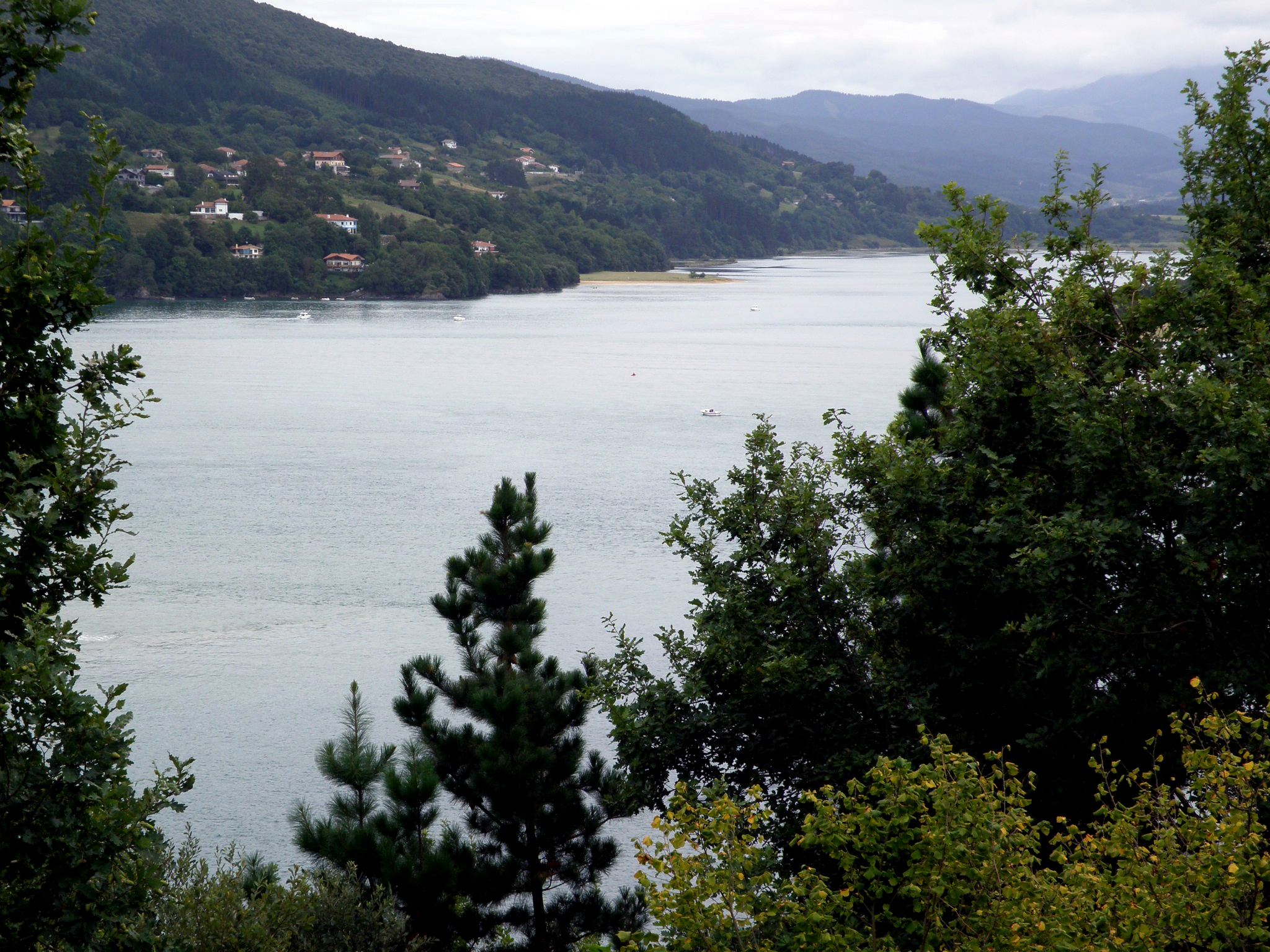
The project works in two emblematic territories, Picos de Europa and Urdaibai, where nature, culture and human activity coexist under increasing climate pressure. Its goal is clear: to anticipate how climate and hydrology will evolve, analyse impacts on species and ecosystems, and propose areas that could function as climate-smart refuges in the future.

We offer consulting solutions for the design of adaptation measures, plans and strategies aimed at increasing climate resilience.
We prepare climate change impact assessment studies on various areas to assist in strategic decision making.